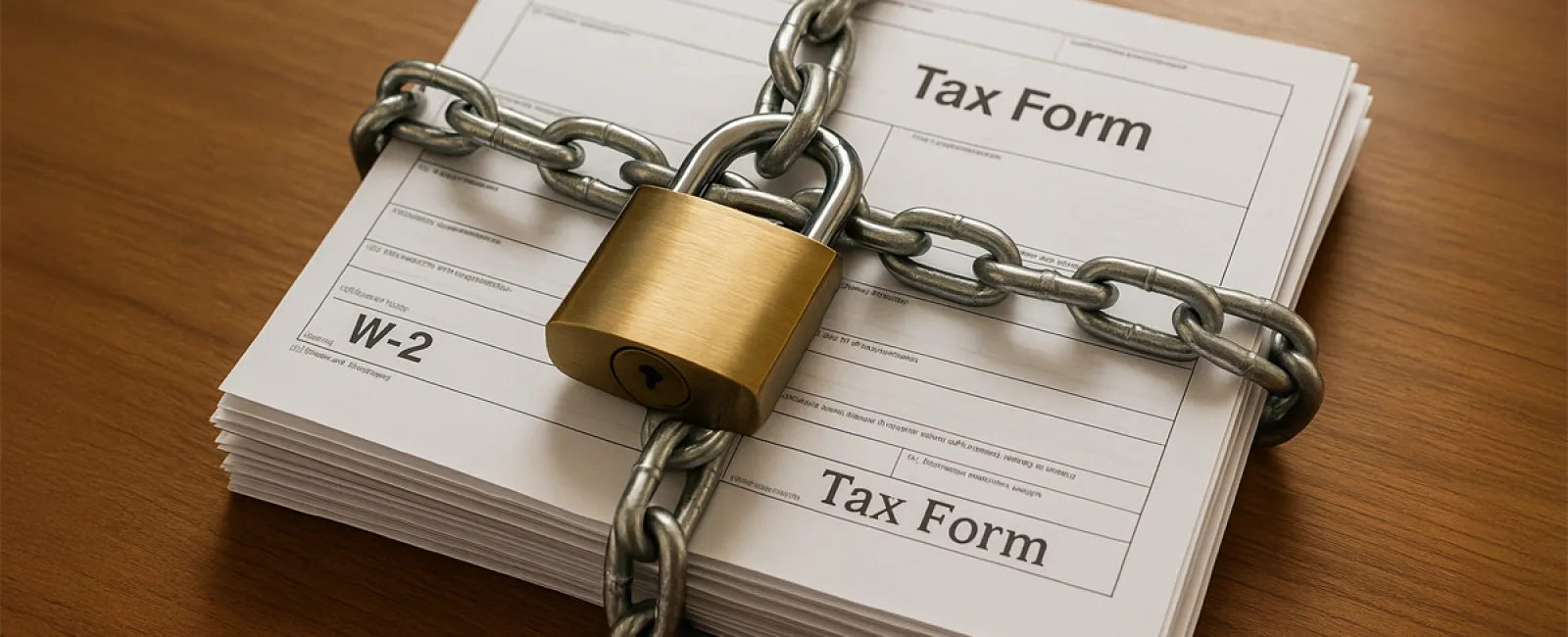
February means one thing: tax season is in full swing. Accountants are swamped, bookkeepers are gathering documents, and everyone's focus is on W-2s, 1099s, and looming deadlines.
But there's a hidden threat that often catches businesses off guard before forms even become an issue: the infamous tax season scam.
One particularly sneaky scam targets small businesses early on, and you might already have it lurking in an inbox somewhere.
Understanding the W-2 Scam
Here's how it unfolds:
An employee responsible for payroll or HR receives an email seemingly from the CEO, business owner, or another top executive.
The message is brief and urgent:
"I need copies of all employee W-2s for an upcoming accounting meeting. Can you send them ASAP? I'm swamped today."
Everything appears legitimate — the tone is right, the timing fits tax season, and the request sounds reasonable.
The employee complies and sends over the W-2 forms.
But the email wasn't from the CEO at all. It was a cybercriminal using a spoofed email address or a nearly identical domain.
Now, the scammer has your employees' sensitive data:
• Full legal names
• Social Security numbers
• Home addresses
• Salary details
Information that enables devastating identity theft and fraudulent tax filings ahead of your staff.
The Aftermath of the Scam
Often, the fraud only comes to light when an employee files their tax return, and it's rejected with a message like, "Return already filed for this Social Security number."
Someone else has already filed, claimed refunds, and vanished with the money.
Victims must then navigate the tangled processes of IRS reports, credit monitoring, identity restoration, and endless paperwork — all due to a single deceptive email.
Multiply this risk across your entire payroll. Now imagine explaining to your team that their private information was compromised because someone fell for a simple spoofed email.
This isn't just a security breach. It's a blow to trust, an HR crisis, a potential legal liability, and a serious hit to your company's reputation.
Why This Scam Deceives So Easily
This isn't an obvious phishing attempt from a "Nigerian prince." It looks authentic at first glance.
The scam succeeds because:
- The timing aligns perfectly with common W-2 requests in February.
- The request is legitimate sounding, unlike suspicious demands for money or gift cards.
- The urgency is convincing — "I'm overloaded today, please send this quickly" fits a busy office culture.
- The sender appears genuine, often mimicking your CEO or accountant's name and email.
- Team members want to be helpful and tend to bypass verification when urgency appears.
Effective Steps to Safeguard Your Business
The silver lining: you can prevent this scam through smart policies and cultivating a vigilant workplace culture—not just technology.
Implement a strict "no W-2s via email" policy — no exceptions. Sensitive documents like pay records should never leave your premises as email attachments. If anyone requests them by email, say no, even if the request looks legitimate.
Confirm all sensitive information requests through a second communication channel— a phone call, face-to-face chat, or an existing contact method, never by replying directly to the email. This quick step can save you weeks of trouble.
Hold a brief, focused training session immediately. Warn your payroll and HR teams: scams like this will surge. Show what to watch for and outline exact protocols.
Strengthen access to payroll and HR systems with multi-factor authentication (MFA). This adds a crucial layer of defense if credentials are compromised.
Promote a workplace culture where verifying requests is encouraged and employees are praised for caution, not penalized for doubting. A supportive environment helps keep scams at bay.
These five straightforward rules can be applied this week and will help you block the initial wave of fraud attempts.
Looking Beyond: Tax Season Threats
The W-2 scam is just one threat among many.
As tax season progresses, expect:
- Fake IRS notices demanding immediate payments
- Phishing attempts disguised as tax software updates
- Spoofed emails from "accountants" containing malicious links
- Fraudulent invoices crafted to look like legitimate tax expenses
Cybercriminals exploit the chaos of tax season when vigilance is low and financial requests seem routine.
Companies that emerge unscathed aren't lucky—they're prepared with clear policies, training, and systems designed to detect suspicious activity before it's too late.
Is Your Business Prepared?
If you already have security measures and training in place, you're ahead of most small businesses and well shielded against these scams.
If not, the time to act is now—before the first attack strikes.
Consider booking a 15-minute Tax Season Security Check with us.
We'll assess:
• Payroll and HR system access and multi-factor authentication
• Policies for verifying W-2 requests
• Email protections against spoofing attempts
• Critical policy adjustments most businesses overlook
If your setup is solid, fantastic. But you might know a business owner who would benefit—share this article to help them avoid expensive pitfalls.
Click here or give us a call at 312-564-5446 to schedule your free Initial Consultation.
Because tax season is challenging enough without the added burden of identity theft.