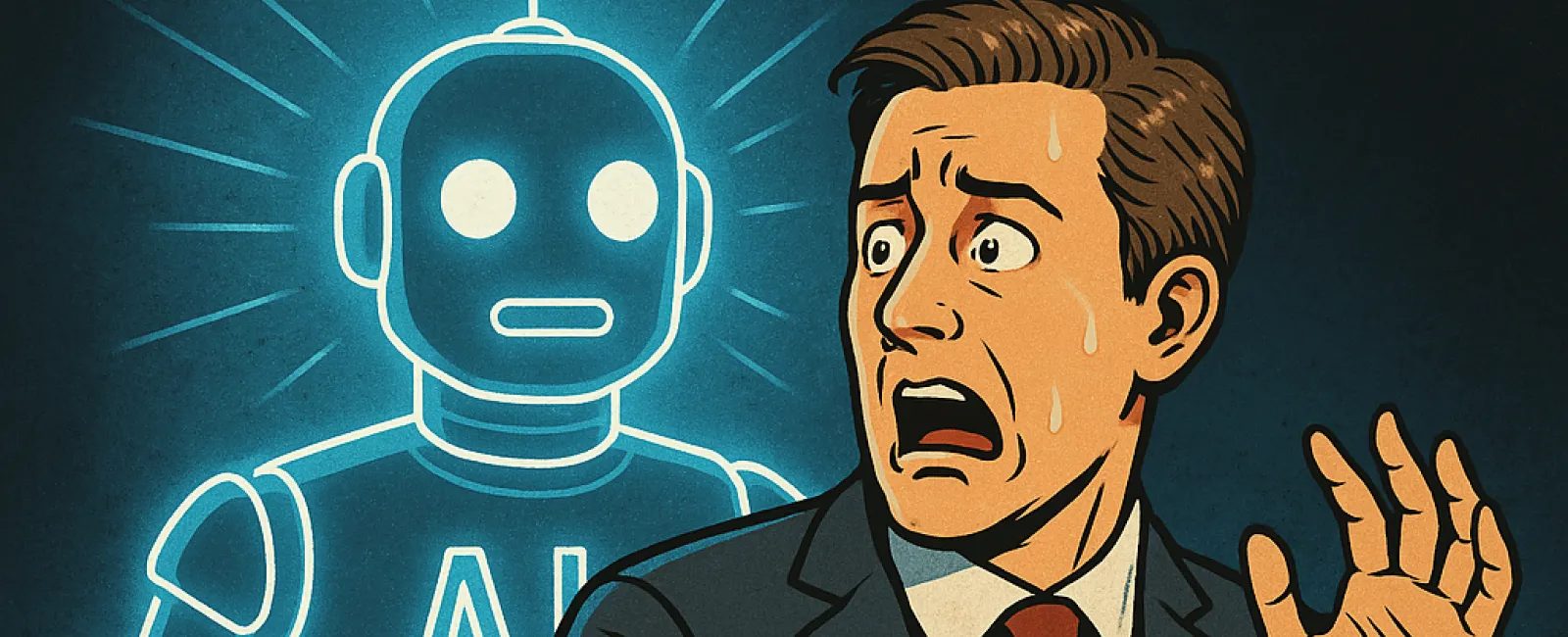
Artificial Intelligence is evolving at an incredible pace, revolutionizing how businesses operate. However, the same powerful AI tools are accessible to cybercriminals, creating new and sophisticated threats. Let's expose some of the darkest corners where these AI dangers are hiding.
Doppelgängers in Your Video Calls: Beware of Deepfake Attacks
Deepfakes created with AI have reached alarmingly realistic levels, empowering cybercriminals to execute advanced social engineering scams targeting companies.
For example, a recent case involved an employee at a cryptocurrency foundation being deceived during a Zoom call by multiple deepfaked versions of their executives. These fabricated leaders instructed the employee to install a Zoom extension granting microphone access, opening the door for a North Korean cyberintrusion.
Such attacks turn traditional identity verifications upside down. To protect your business, watch out for warning signs like facial inconsistencies, unnatural pauses, or odd lighting effects during video chats.
Dangerous Invaders in Your Inbox: Guard Against AI-Enhanced Phishing Emails
Phishing emails have long plagued organizations, but with AI-generated messages, typical red flags such as poor spelling or grammar no longer reliably indicate danger.
Cybercriminals now leverage AI to create phishing kits that translate fraudulent emails and landing pages into multiple languages, enabling them to launch widespread campaigns globally.
Luckily, fundamental security practices remain effective against AI-powered phishing attempts. Enabling multifactor authentication (MFA) provides an essential barrier, as attackers are unlikely to have access to your secondary devices. Additionally, comprehensive security awareness training equips employees to identify subtle cues like urgent calls to action, reducing organizational risk.
Malicious AI Tools: Beware of Fake Software Packed with Malware
Hackers exploit AI's rising popularity by distributing fraudulent tools masquerading as legitimate AI applications, often embedding malware beneath seemingly genuine software.
For instance, TikTok videos circulating instructions on how to install "cracked software" to bypass licensing for apps like ChatGPT used PowerShell commands but were actually fronts for malware campaigns, later uncovered by security researchers.
Protecting your business starts with awareness. Always have your Managed Service Provider (MSP) vet any new AI programs before installation to prevent these hidden threats from infiltrating your systems.
Is Your Business Ready to Defend Against AI-Driven Threats?
AI-based risks like deepfakes, phishing, and malicious software might seem daunting, but with robust security measures, your company can stay ahead of cybercriminals.Click here or give us a call at 312-564-5446 to schedule your free Initial Consultation today and let's talk through how to protect your team from the scary side of AI ... before it becomes a real problem.